












Wildebeest Calving Season 2027: Masai Mara or Serengeti? When & Where to Go
If you are planning an East Africa safari in January, February or March 2027, you may be wondering whether the famous wildebeest calving season takes place in Kenya's Masai Mara or Tanzania's Serengeti.
The simple answer is that the main Great Wildebeest Migration calving season takes place in the Southern Serengeti and Ndutu region of Tanzania, rather than in the Masai Mara. The wider Great Migration, however, is a continuous annual movement through the Serengeti–Mara ecosystem, eventually bringing large herds north towards Kenya's Masai Mara later in the year.
For travellers trying to decide between a Masai Mara safari, a Serengeti calving safari, or a combined Kenya and Tanzania safari, understanding this seasonal movement can make a major difference to your safari experience.
Quick Answer: When Is the Wildebeest Calving Season?
The main wildebeest calving period normally takes place between late January and March, with February generally considered the peak month.
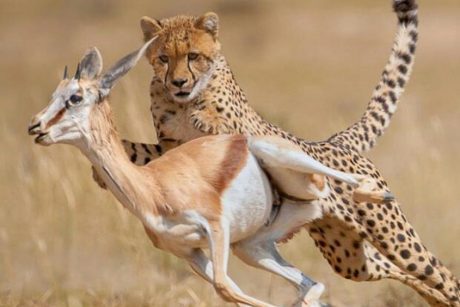
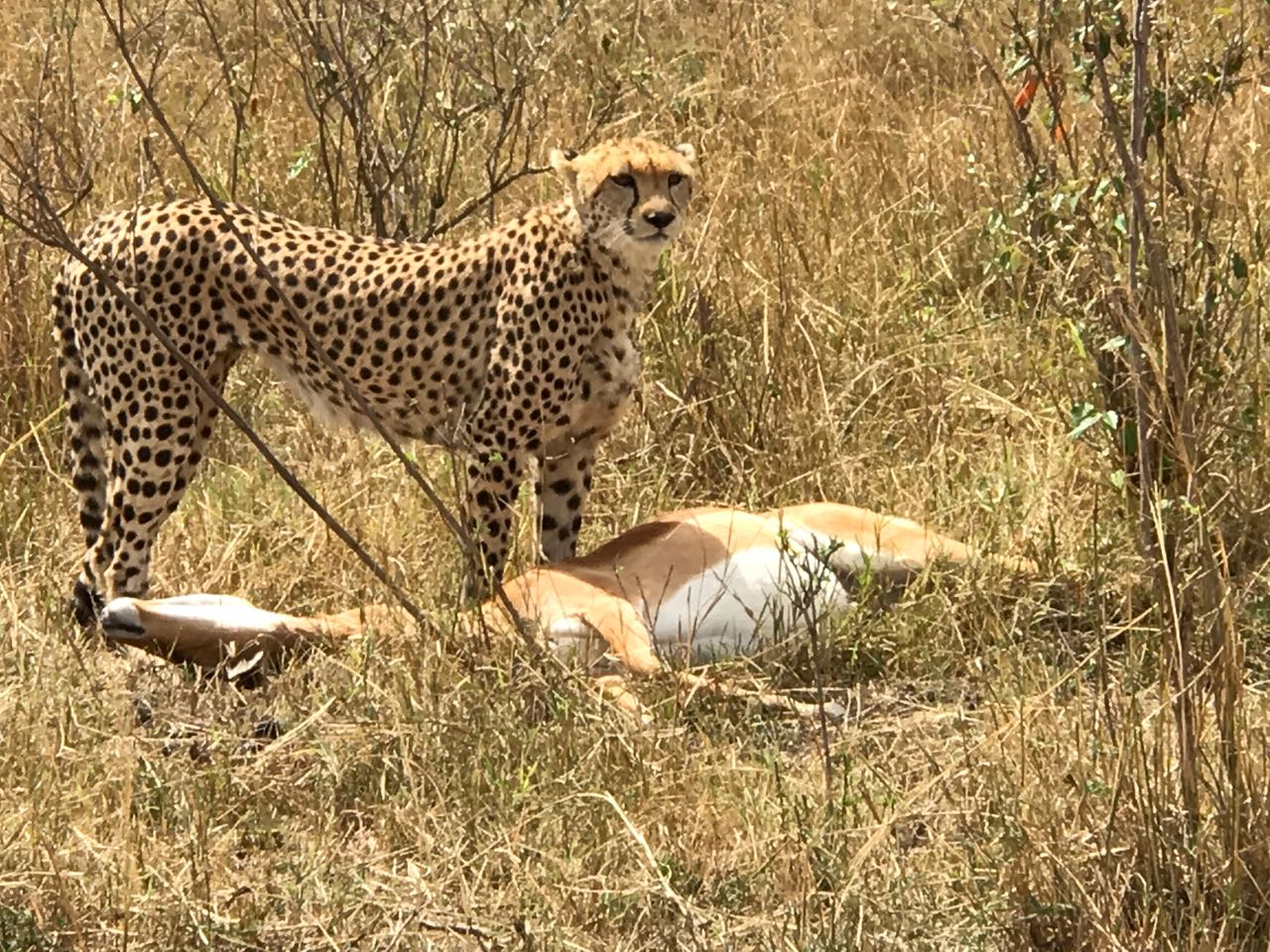
During this period, enormous concentrations of wildebeest gather on the nutrient-rich short-grass plains of the Southern Serengeti and Ndutu area. Large numbers of calves are born within a relatively short period, attracting predators including lions, cheetahs and hyenas.
Travellers specifically hoping to see large numbers of newborn wildebeest should therefore normally plan their safari around Ndutu and the Southern Serengeti, rather than assuming the spectacle occurs inside Kenya's Masai Mara.
Does the Wildebeest Calving Season Happen in the Masai Mara?
The main Great Migration calving season does not normally take place in the Masai Mara.
This is an important distinction because the Masai Mara is so closely associated with the Great Wildebeest Migration that many first-time safari travellers naturally assume every stage of the migration happens there.
In reality, the migration covers a vast ecosystem extending across northern Tanzania and southern Kenya.
During January and February, the largest migratory wildebeest herds are normally concentrated much farther south around the Southern Serengeti and Ndutu plains. Later in the year, as grazing conditions change, the herds begin moving north towards the central and western Serengeti before eventually reaching the northern Serengeti and the Masai Mara ecosystem.
The Masai Mara nevertheless remains an outstanding wildlife destination during the early months of the year because it supports significant populations of resident animals throughout the year.
Where Does the Wildebeest Calving Season Take Place?
The most important calving grounds are found around the Southern Serengeti and Ndutu region, close to the Ngorongoro Conservation Area in northern Tanzania.
These extensive short-grass plains become particularly productive following the seasonal rains. The fresh grazing provides important nutrition for pregnant wildebeest and creates ideal conditions for the huge herds to congregate.
The general calving area includes locations around:
- Ndutu
- Southern Serengeti plains
- Lake Ndutu
- Lake Masek
- Ngorongoro Conservation Area plains
- Southeastern Serengeti
Wildlife concentrations in this region can be exceptional between December and April, with February usually regarded as one of the most exciting periods for calving activity.
Why Is February Famous for Wildebeest Calving?
February is often regarded as the heart of the wildebeest calving season.
Large numbers of pregnant females give birth during a relatively concentrated period. Newborn calves must quickly learn to stand and keep pace with their mothers because life on the open plains begins almost immediately.
The abundance of vulnerable young animals also attracts predators.
Safari visitors may encounter:
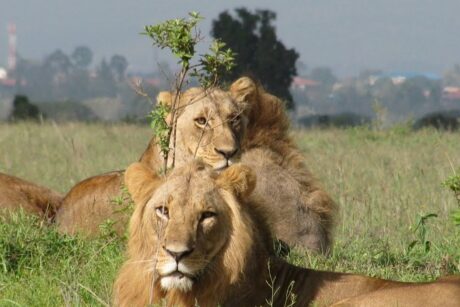
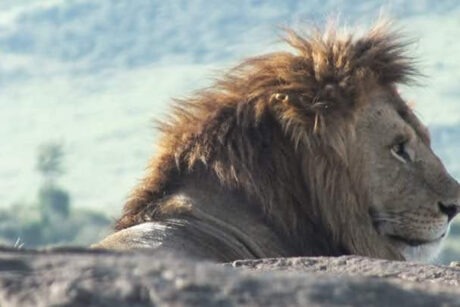
- Lions following wildebeest herds
- Cheetahs hunting on the open plains
- Spotted hyenas searching for opportunities
- Jackals and other smaller predators
- Large herds of zebra and gazelle
- Thousands of wildebeest spread across the grasslands
This combination of new life, large herbivore concentrations and predator activity makes February one of the most dramatic wildlife periods in the Serengeti ecosystem.
Masai Mara vs Serengeti in February: Which Is Better?
There is no single answer because the better destination depends on what you want to see.
Choose the Serengeti and Ndutu if:
- Your priority is the wildebeest calving season.
- You want to see large concentrations of migratory wildebeest.
- You are particularly interested in newborn animals.
- You want opportunities for predator interactions involving the migration herds.
- Your safari dates fall mainly in January, February or early March.
Choose the Masai Mara if:
- You want an excellent Kenya safari without relying entirely on the migration.
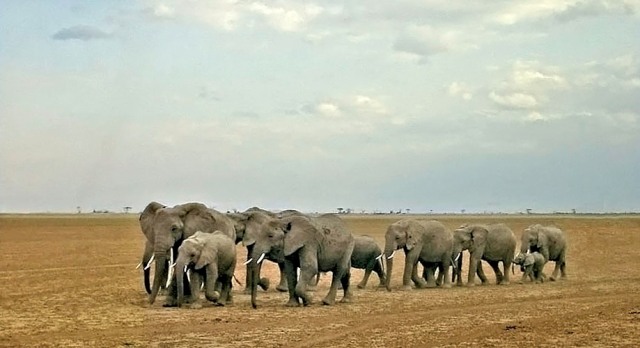
- You are interested in lions, elephants, giraffes, buffalo and other resident wildlife.
- You prefer combining your safari with Nairobi or other Kenyan destinations.
- You are travelling during the quieter green season.
- You have already visited Tanzania and would like to concentrate on Kenya.
For travellers whose main ambition is specifically to witness the mass wildebeest calving spectacle, however, the Southern Serengeti and Ndutu should normally be the priority during February.
What Is the Masai Mara Like During January, February and March?
January through March can still be a very rewarding time to visit the Masai Mara.
The landscapes can be greener than during the classic dry-season migration months, while visitor numbers may be lower than during the peak July–October period.
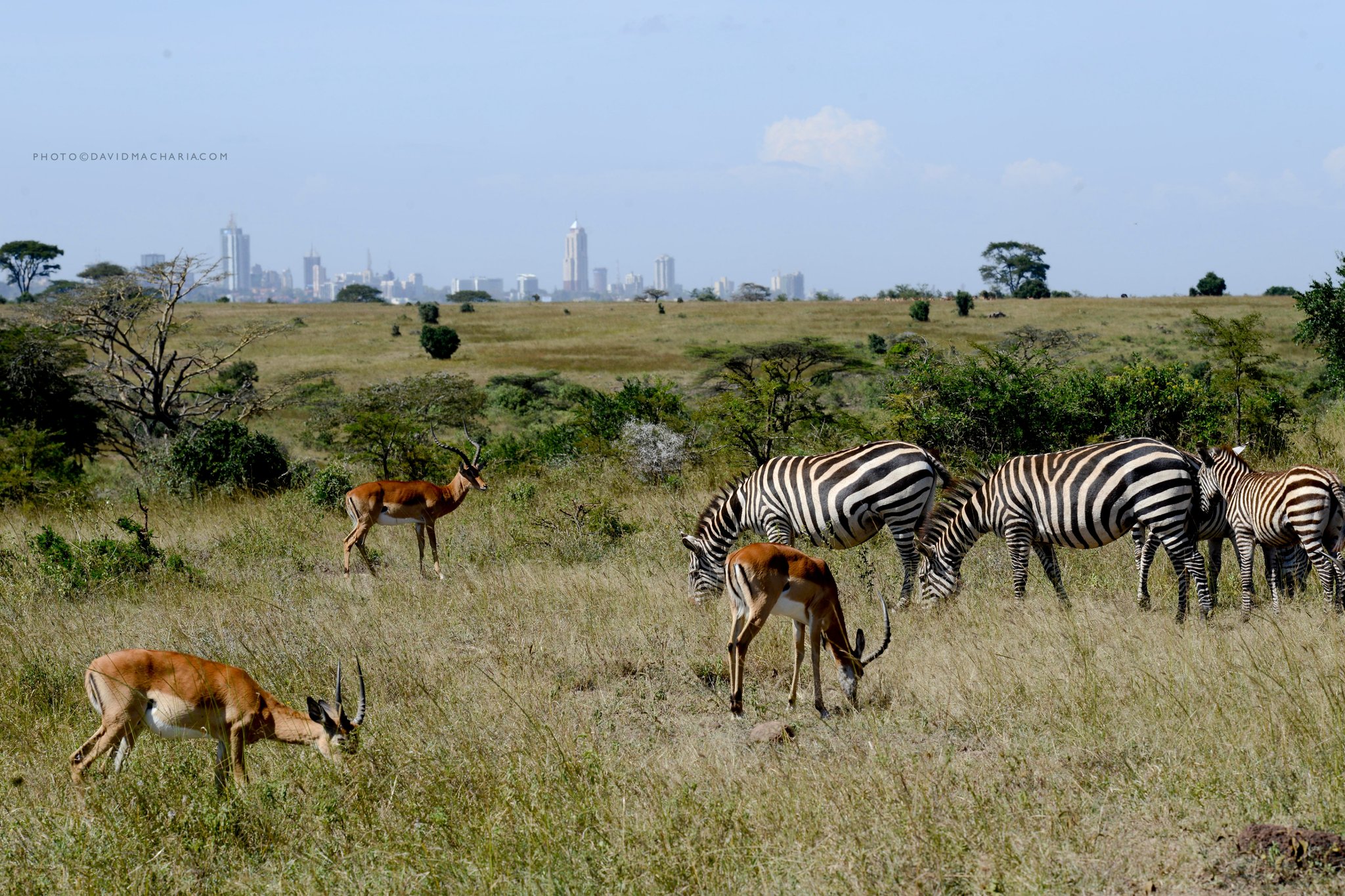
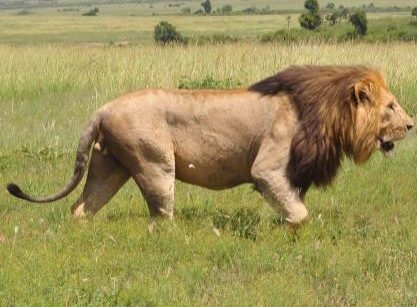
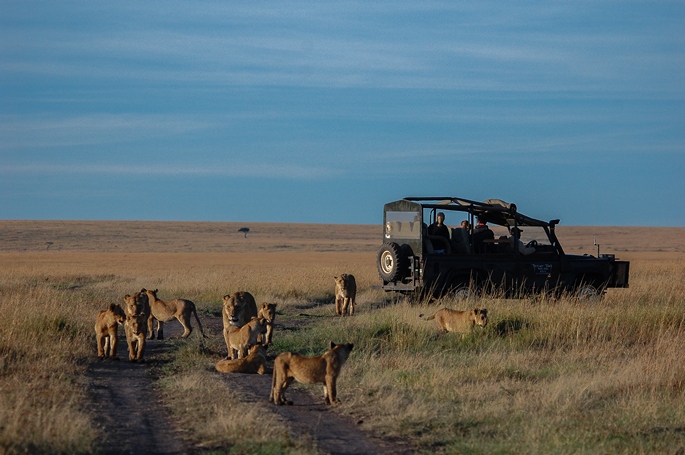
Resident wildlife remains throughout the ecosystem, meaning safari visitors can still search for lions, elephants, giraffes, buffalo, antelopes, hyenas, cheetahs and other species.
This period can therefore appeal to travellers who value wildlife viewing, photography and a quieter safari atmosphere rather than travelling specifically for the main migration herds.
When Does the Great Migration Reach the Masai Mara?
The large migratory herds generally begin arriving in the northern Serengeti and Masai Mara ecosystem during the middle part of the year.
The period from approximately July through October is traditionally associated with the famous Masai Mara Great Migration season, including the possibility of dramatic Mara River crossings.
However, the Great Migration is a natural event rather than a scheduled performance. Rainfall, grass conditions and water availability influence exactly where the animals move and when they arrive.
For this reason, no responsible safari operator should guarantee a river crossing on a particular day.
Great Wildebeest Migration Calendar
| Period | Typical Area | Main Safari Experience |
|---|---|---|
| December – January | Southern Serengeti & Ndutu | Large herds gather on fresh short-grass plains and early births may begin. |
| February | Southern Serengeti & Ndutu | Peak wildebeest calving season, newborn animals and strong predator activity. |
| March – April | Southern & Central Serengeti | Calves grow stronger and herds gradually begin moving as grazing conditions change. |
| May – June | Central & Western Serengeti | Large travelling herds move northward, with potential crossings in the western corridor. |
| July – October | Northern Serengeti & Masai Mara | Classic Great Migration season and possible Mara River crossings. |
| October – November | Northern & Central Serengeti | Herds gradually begin their journey south again as seasonal rains influence grazing. |
Please note: this calendar is a general guide. Wildebeest movement is controlled by nature and can vary according to rainfall, water availability and grazing conditions.
What Is the Best Month for Wildebeest Calving?
For most travellers, February is the best month to plan a wildebeest calving safari.
The advantage of February is that large concentrations of wildebeest are normally already gathered across the Southern Serengeti and Ndutu plains, while calving activity is typically at its strongest.
January can also be excellent, particularly later in the month, while March may provide good opportunities to see slightly older calves travelling with the herds.
Travellers should therefore think of the season as a window rather than a single date.
Is January a Good Time for a Calving Safari?
Yes. January can be an excellent time to visit the Southern Serengeti.
The herds are normally gathering across the southern plains following seasonal rains, and calving may already be underway.
Visitors travelling toward the second half of January can therefore enjoy substantial wildebeest concentrations while potentially avoiding some of the demand associated with peak February travel dates.
Is March Too Late for the Wildebeest Calving Season?
Not necessarily.
March can still be very good for wildlife viewing around the southern Serengeti ecosystem. Many young calves remain with the herds, predator activity continues and the landscapes can be beautifully green.
However, exact herd locations become increasingly dependent on rainfall as the season progresses.
What Animals Can You See During Calving Season?
Although wildebeest are the main attraction, a calving safari offers much more than wildebeest alone.
Depending on location and luck, travellers may encounter:
- Wildebeest
- Zebra
- Thomson's gazelle
- Grant's gazelle
- Lions
- Cheetahs
- Spotted hyenas
- Jackals
- Elephants
- Giraffes
- Birdlife associated with the green season
Photographers are particularly attracted to this period because the combination of young animals, predators, dramatic skies and green grasslands creates very different imagery from the dry-season safari landscape.
Calving Season vs Mara River Crossings: Which Safari Is Better?
These are two very different Great Migration experiences.
Calving Season
Usually experienced around Southern Serengeti and Ndutu from late January through March, with February normally being the strongest month.
The focus is on:
- Newborn wildebeest
- Large concentrations of animals
- Predator activity
- Green landscapes
- Wildlife photography
Mara River Crossing Season
Usually associated with the Northern Serengeti and Masai Mara from approximately July through October.
The focus is on:
- Huge travelling herds
- Mara River crossing attempts
- Crocodile encounters
- Predator activity
- Classic dry-season safari landscapes
Neither experience is inherently better. The right choice depends on the wildlife event that interests you most.
Can You Combine Masai Mara and Serengeti in One Safari?
Yes. A Kenya and Tanzania safari combining the Masai Mara and Serengeti can be one of the most rewarding ways to experience the wider Mara–Serengeti ecosystem.
However, the itinerary should be designed around your travel month.
For example, travellers visiting in February who are particularly interested in the migration should allocate sufficient time to the Southern Serengeti or Ndutu region rather than spending all their safari nights in the Masai Mara.
Travellers visiting between July and October may instead prioritise the Masai Mara and Northern Serengeti, depending on current herd movements.
Can I Start a Wildebeest Calving Safari from Nairobi?
Yes. International travellers arriving in Nairobi, Kenya can combine a Kenyan safari with Tanzania and the Southern Serengeti.
Depending on the number of days available, the journey can be arranged using a combination of road transfers, scheduled flights or regional air connections.
A longer itinerary might combine Nairobi, the Masai Mara, Northern Tanzania, Ngorongoro and the Serengeti, while travellers with fewer days may benefit from flying between selected safari areas.
Cruzeiro Safaris Kenya can help travellers structure their itinerary according to their dates, preferred safari style, available time and budget.
How Many Days Do You Need for a Wildebeest Calving Safari?
We generally recommend allowing at least three to four safari nights in the relevant Serengeti area when the migration is an important part of your journey.
Wild animals do not follow a timetable, and spending several days in the region gives your driver-guide more flexibility to locate the herds and explore different wildlife areas.
Travellers combining Tanzania with Kenya should consider a longer itinerary of approximately 7 to 10 days or more, depending on the destinations included.
Is the Wildebeest Calving Season Good for Families?
Yes, the calving season can be a fascinating safari experience for families with children who are comfortable spending several hours on game drives.
The sight of large herds and newborn animals can be particularly memorable.
Parents should nevertheless remember that the African wilderness is a natural ecosystem. Predator hunts and interactions between predators and young animals may sometimes be graphic.
Is February a Good Month for a Kenya Safari?
Yes. February can be an excellent time to travel in Kenya even though the main migratory wildebeest calving occurs in Tanzania.
A February Kenya safari may include Nairobi, the Masai Mara, Amboseli, Lake Nakuru, Samburu or other wildlife areas, depending on your interests.
Travellers can also combine Kenya with Tanzania if witnessing the Serengeti calving season is a priority.
When Should I Book a 2027 Wildebeest Calving Safari?
Travellers planning to visit during the peak January–March period should ideally arrange their safari well in advance, particularly if they prefer specific camps, lodges, private vehicles or internal flights.
February is especially popular with wildlife photographers and travellers specifically interested in the Great Migration.
Booking earlier generally provides a wider choice of accommodation and allows the safari route to be designed around your preferred level of comfort and budget.
Frequently Asked Questions About the Wildebeest Calving Season
When is wildebeest calving season in Africa?
The main Great Migration wildebeest calving season normally occurs between late January and March, with February generally being the peak period.
Where is the wildebeest migration in February?
In February, the main migratory wildebeest herds are normally concentrated around the Southern Serengeti and Ndutu short-grass plains in Tanzania.
Is February calving season in the Masai Mara?
No. The main Great Migration calving grounds are in the Southern Serengeti and Ndutu region. The Masai Mara continues to offer excellent resident wildlife viewing during February.
When are wildebeest in the Masai Mara?
Large migratory herds are traditionally associated with the Masai Mara between approximately July and October, although exact timing varies every year according to rainfall and grazing conditions.
What is the best month to see wildebeest babies?
February is normally considered the best month for seeing large numbers of newborn wildebeest in the Southern Serengeti and Ndutu region.
Where should I stay for wildebeest calving?
Travellers should normally select accommodation positioned around the Southern Serengeti, Ndutu or nearby seasonal migration areas. Exact recommendations should depend on current expected herd locations, budget and preferred level of comfort.
Can a river crossing be guaranteed?
No. Mara River crossings are completely natural events and cannot be guaranteed on a particular day or at a particular location.
Can I combine the wildebeest calving season with a Masai Mara safari?
Yes. Kenya and Tanzania can be combined into one East African safari. The number of nights allocated to each destination should be determined by your travel dates and what you most want to see.
Plan Your 2027 Wildebeest Migration Safari with Cruzeiro Safaris Kenya
Choosing the right destination for the Great Migration depends heavily on when you are travelling.
If your priority is seeing wildebeest calves and intense predator activity during January, February or March, the Southern Serengeti and Ndutu region should normally form an important part of your itinerary.
If you are travelling between approximately July and October, the Masai Mara and Northern Serengeti become particularly important for travellers hoping to experience the huge migrating herds and possible Mara River crossings.
At Cruzeiro Safaris Kenya, we can help design a private safari based on your dates, available number of days, preferred accommodation, vehicle choice and the wildlife experiences you would most like to see.
Explore our Masai Mara safari packages or browse our Kenya road safari packages for ideas when planning your East African safari.
You can also contact Cruzeiro Safaris Kenya for a customised Kenya and Tanzania safari itinerary designed around the Great Wildebeest Migration.
Planning a Wildebeest Migration Safari?
Tell us your travel dates, number of travellers and the number of safari days you have available. We can recommend whether the Masai Mara, Serengeti, Ndutu or a combined Kenya–Tanzania safari is most suitable for your trip.
Cruzeiro Safaris Kenya
Nairobi, Kenya
WhatsApp / Telephone: +254 722 370 833
Important: Great Migration locations and dates given in this guide are approximate. Wildebeest movements depend on rainfall, availability of water, grass conditions and other natural factors. No safari operator can guarantee the exact location of the migration herds or a river crossing on a particular date.